CBayless Associates computer,education,food,pets,reference,shopping Poolcover: The Benefits of Keeping Your Pool Covered

Poolcover: The Benefits of Keeping Your Pool Covered

A pool cover is a simple yet effective tool that can help pool owners save time, money, and energy. By covering the pool when it’s not in use, pool covers can help keep debris out of the water, reduce evaporation, and even help keep the water warm. With a variety of pool cover options available, including thermal, child Safety, and automatic covers, it’s easy to find one that suits your needs and budget.

A poolcover sits tightly over the water, reflecting the surrounding trees and sky

One of the most popular types of pool covers is the solar pool cover, which uses the sun’s energy to warm the water. These covers are made from a special material that traps the sun’s heat, creating a greenhouse effect that can raise the water temperature by several degrees. Solar pool covers are also great for reducing evaporation, which can help pool owners save money on water and chemicals. Additionally, using a pool cover blanket can help protect your cover from UV rays, which can cause it to fade or crack over time.

Another type of pool cover is the safety cover, which is designed to prevent accidents and keep children and pets safe. These covers are made from a strong, durable material that can support the weight of a person or animal, and they are secured to the pool deck with anchors. Safety covers can also help keep debris out of the water, making them a great choice for pool owners who live in areas with lots of trees or other sources of debris.

Types of Pool Covers
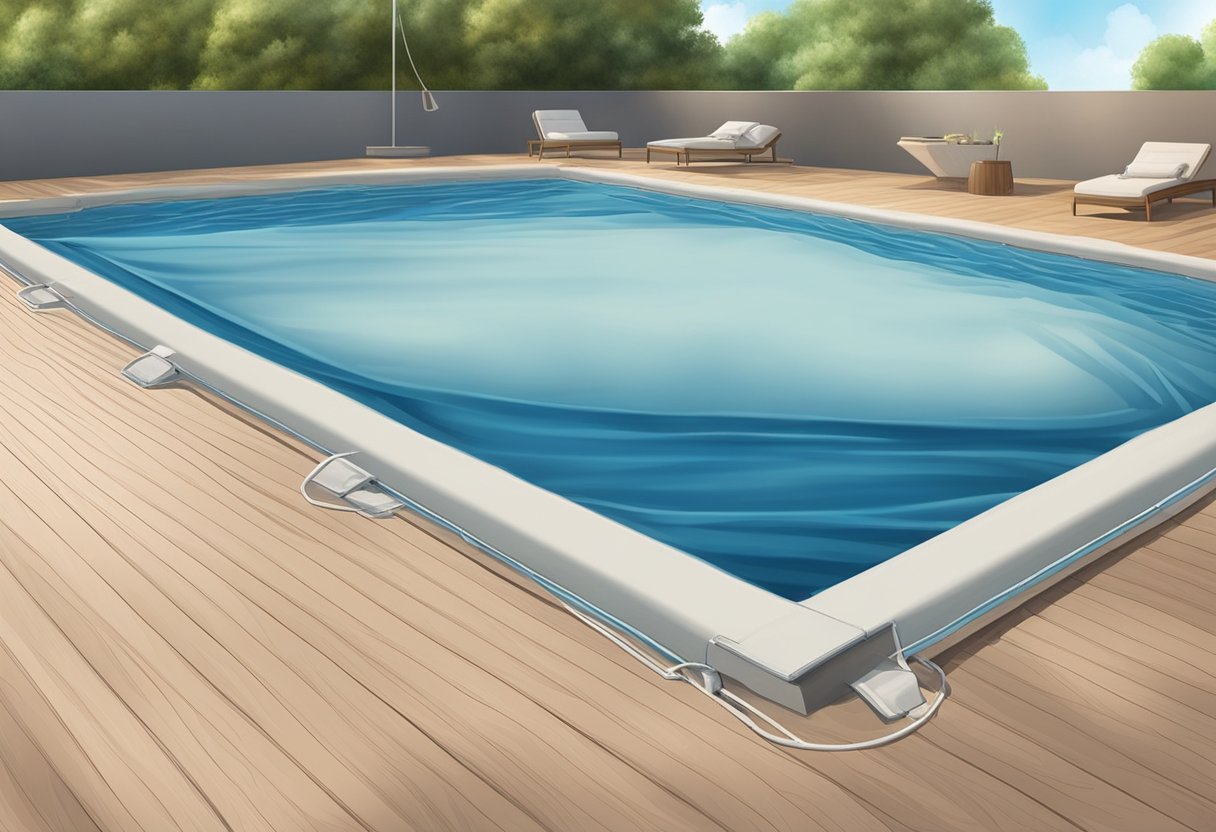
A pool cover floats on the water's surface, protecting the pool from debris and retaining heat. It is securely fastened around the edges to prevent it from being blown away by the wind

When it comes to pool covers, there are several types to choose from. Each type has its own unique features, benefits, and drawbacks. Here are the four main types of pool covers:

Automatic Pool Covers

Automatic pool covers are the most expensive option, but they offer the most convenience. These covers are motorized and can be opened and closed with the push of a button. They also provide excellent safety, as they can support the weight of several adults.

Manual Pool Covers

Manual pool covers are less expensive than automatic covers, but they require more effort to use. These covers are typically made of vinyl or mesh and are pulled over the pool by hand. They are a good option for those on a budget who don’t mind a little extra work.

Safety Pool Covers

Safety pool covers are designed to prevent accidental drownings. These covers are typically made of mesh or solid vinyl and are anchored to the pool deck with straps and springs. They are strong enough to support the weight of several adults and are a good option for families with young children or pets.

Solar Pool Covers

Solar pool covers are a more economical option that can help reduce heating costs. These covers are made of a special material that traps the sun’s heat and transfers it to the pool water. They also help reduce water evaporation and keep debris out of the pool.

Overall, choosing the right pool cover depends on your budget, needs, and preferences. Consider the features and benefits of each type before making a decision.

Benefits and Considerations
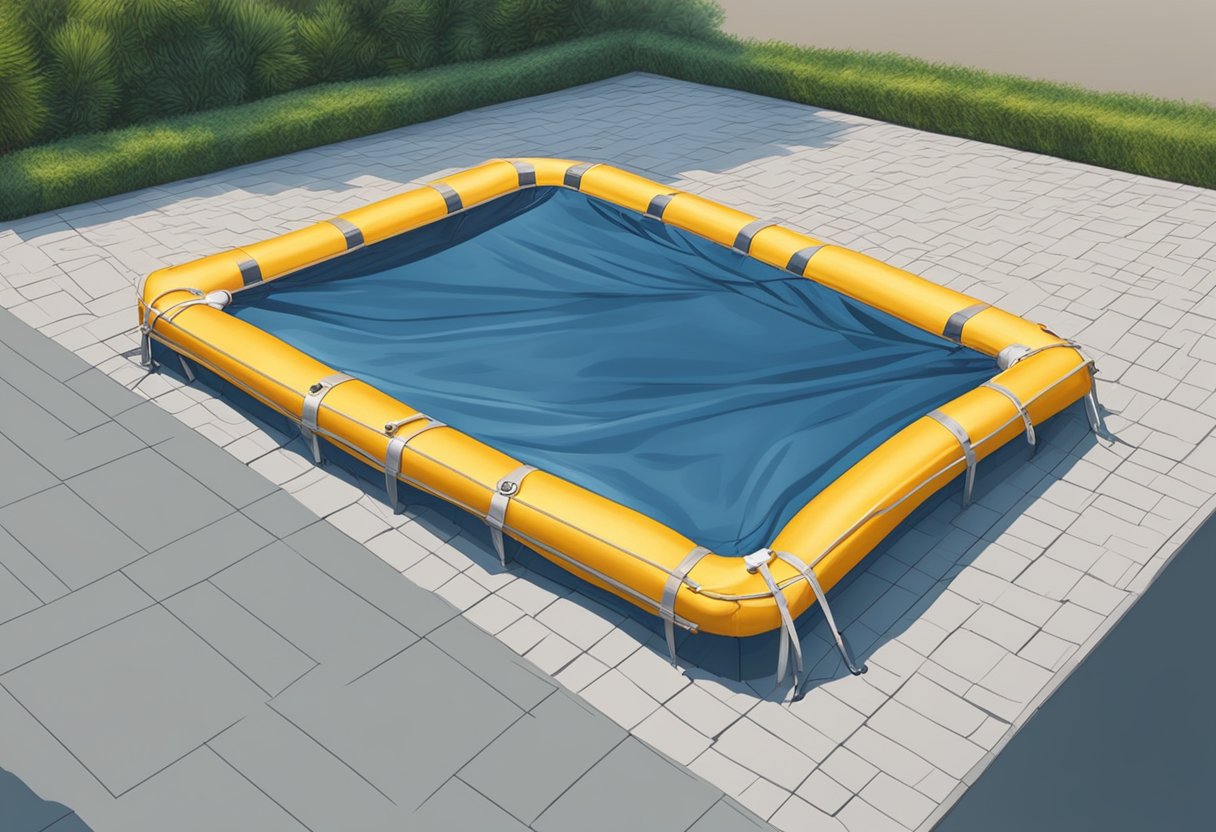
A pool cover lies flat over the water, protecting it from debris and retaining heat. The cover is secured with straps and floats on the surface

Energy Efficiency

One of the primary benefits of installing a pool cover is the increased energy efficiency it provides. By reducing the amount of heat and water lost through evaporation, pool covers can help lower energy costs and decrease the need for chemical treatments. Solar pool covers, in particular, are designed to absorb and retain heat from the sun, which can keep the pool water warm without the need for additional heating systems.

for more info: https://www.poolcover.co.za/

Related Post

Hotel Construction: Trends and Best PracticesHotel Construction: Trends and Best Practices

The Evolving Landscape of Hotel Development

In recent times,the hotel development scene has experienced perplexing and bursty transformations. The surge of online travel platforms and the soaring demand for one-of-a-kind and tailored experiences have compelled hotels to adjust in order to meet the ever-changing requirements of travelers. No longer do we witness cookie-cutter establishments with generic amenities. Today’s discerning consumers yearn for properties that exude an enigmatic essence,mirroring the local culture. Consequently,hotel developers are meticulously crafting havens that not only captivate visually but also envelop guests in an authentic and immersive journey.

Moreover,a paradigm shift towards unconventional accommodations such as boutique hotels,vacation rentals,and hostels has taken place. These alternatives proffer nomads a more economical and adaptable option compared to traditional lodgings. In response to this labyrinthine landscape,hotel developers are adroitly assimilating these avant-garde accommodation types into their portfolios with the intent of captivating a broader spectrum of wanderers. Additionally,there is now an amplified emphasis on sustainability and eco-friendly practices within the hotel industry. Developers are investing in cutting-edge green Building technologies while incorporating sustainable materials throughout the Construction process. This undertaking not only aids in diminishing hotels’ ecological footprints but also acts as an irresistible magnet for conscientious travelers who prioritize sustainability when making their sojourn choices.

Innovations in Building Design for the Hospitality Industry

In the rapidly changing realm of hotel development,the significance of groundbreaking building design has reached unparalleled heights within the hospitality industry. Hotel proprietors and developers diligently pursue novel and extraordinary architectural concepts to distinguish their establishments and forge indelible impressions upon guests.

One pivotal trend in hotel building design revolves around fusing nature with the indoor environment. This entails seamlessly integrating natural facets like lush greenery,captivating water features,and expansive open-air spaces into a hotel’s structural blueprint. Not only does this augment the property’s visual allure,but it also bestows upon guests an unrivaled sense of serenity and an intimate bond with their surroundings. From awe-inspiring rooftop gardens to breathtaking indoor atriums,these innovative designs blur boundaries between exterior landscapes and contemporary architecture. Furthermore,there has been a surge in popularity surrounding sustainable materials and energy-efficient systems employed in constructing hotels. Embracing renewable energy sources such as solar panels and wind turbines takes center stage alongside eco-friendly construction materials that minimize ecological footprints left behind by construction projects. By incorporating these environmentally conscious practices into building design endeavors,hotels can significantly reduce carbon emissions while simultaneously attracting likeminded travelers who prioritize sustainability during their voyages. Ultimately,these groundbreaking advancements in hospitality-focused architectural design play an instrumental role in crafting unique accommodations tailored to meet ever-evolving traveler demands and preferences alike. By artfully combining elements from nature with sustainability initiatives,hotels have the power to create distinctive havens that provide guests with unforgettable experiences while contributing to a more ecologically sound future for all involved parties.

Sustainable Construction Methods for Hotels

The hospitality industry has found itself grappling with the increasing importance of sustainable construction methods,seeking to curtail its environmental impact. A rising trend in this pursuit is the utilization of eco-friendly building materials,sourced primarily from renewable resources. The allure lies in their drastically reduced carbon footprint when compared to conventional construction materials. Bamboo flooring,for instance,has emerged as a preferred alternative over hardwood due to its superior sustainability and distinctive aesthetic appeal. Furthermore,hotel designs are now incorporating recycled glass and reclaimed wood as an effort to quell the demand for fresh production while simultaneously minimizing waste.

In addition to eco-conscious material choices,hotels are turning towards energy-efficient systems as another avenue for sustainable construction practices. Investing heavily in technologies such as LED lighting fixtures,solar panels,and intelligent thermostats facilitates a substantial reduction in energy consumption levels. This not only diminishes carbon emissions but also yields considerable cost savings over time. Moreover,some establishments have embraced innovative water management systems that strive to limit wastage through low-flow faucets and rainwater harvesting initiatives. By introducing these sustainable methodologies into their infrastructure endeavors,hotels can align their operations with environmental objectives whilst attracting guests who share similar values regarding conservation and sustainability.

Building Inspections: Preserving Property Value Through Regular Building InspectionsBuilding Inspections: Preserving Property Value Through Regular Building Inspections

Routine Building inspections are not just a regular task; they are a precautionary action vital for real estate owners and managers to maintain the worth and credibility of their assets. In this article, we’ll explore into the profound meaning of regular house inspections, exploring how they fulfill a pivotal role in upkeeping properties, finding repair concerns, and ensuring against Architectural weaknesses. By grasping the multifaceted benefits of regular inspections, property owners can efficiently avoid costly repairs, mitigate property damage, and sustain the lasting importance of their investments.

At the center of periodic Construction inspections lies the preventive method to real estate Maintenance. Rather of waiting for difficulties to occur, inspections enable real estate owners and managers to detect possible concerns early, prior to they worsen into pricey repairs or compromise the architectural soundness of the edifice. By performing inspections at scheduled intervals, whether every three months, yearly, or as suggested by Business standards, estate professionals can remain ahead of maintenance requirements and deal with them swiftly, lowering the likelihood of unexpected expenses and disruptions to operations.

The Importance of Regular Building Inspections

Periodic construction evaluations in Melbourne are akin to routine check-ups for properties, enabling owners and managers to identify any potential issues prior to they intensify into expensive problems. By carrying out inspections on a periodic basis, property owners can remain ahead of maintenance issues, guarantee compliance with regulations, and safeguard the long-term value of their investments.

Detecting Maintenance Issues and Structural Deficiencies

One of the primary goals of routine construction inspections is to identify maintenance concerns and architectural weaknesses that could compromise the integrity of the real estate. From little leaks and cracks to more substantial structural issues, inspections provide property owners with valuable insights into the condition of their structures. By detecting these issues early, owners can take quick corrective measures, avoiding minor problems from developing into major repairs.

Preventing Costly Repairs and Property Damage

Routine construction inspections play a vital function in preventing costly repairs and estate damage. By dealing with maintenance problems by the PPI proactively, real estate owners can avert the need for extensive repairs along the line. For instance, finding a leaky roof throughout an inspection enables owners to fix it swiftly, avoiding water damage to the interior of the structure and steering clear of the necessity for pricey repairs or renovations.

Enhancing Property Value and Marketability

Maintaining a estate in great condition through periodic inspections improves its value and marketability. Properties that are well-kept and clear of major defects are more enticing to potential buyers and demand higher prices in the real estate market. Additionally, properties with a history of routine inspections and maintenance are perceived as more attractive and reliable, further increasing their marketability and appeal.

Conclusion: Building Inspections as a Proactive Measure for Property Preservation

Ultimately, periodic construction inspections in Melbourne are a precautionary action for estate owners and managers to preserve the importance and credibility of their assets. By identifying maintenance concerns and architectural flaws early, inspections stop expensive repairs, protect against property damage, and enhance the market worth of properties. Investing in periodic building inspections is not only essential for property preservation but also a wise option that can yield significant returns in the form of increased property value and lowered maintenance costs with time.

Trade Show Popup DisplaysTrade Show Popup Displays

In the world of Business, first impressions are crucial. When you attend a trade show or exhibition, your booth’s appearance can make or break your success. This is where trade show popup displays come into play. These versatile and eye-catching exhibits have the power to attract visitors and leave a lasting impact. In this article, we will explore the importance of trade show popup displays and how they can elevate your exhibition game.

What Are Trade Show Popup Displays?

Trade show popup displays, or pop-up booths, are portable and easy-to-set-up exhibit systems for trade shows and events. They offer a professional and visually appealing backdrop for your booth.

Why Choose Trade Show Popup Displays?

Portability: One of the primary advantages of trade show popup displays is their portability. These displays are designed to be easy to transport, making them an excellent choice for businesses that attend multiple events throughout the year.

Easy Setup: Setting up a trade show popup display is a breeze. The collapsible frame and magnetic connectors allow for quick assembly without the need for any tools or specialized labor.

Customization: Trade show popup displays offer a high degree of customization. You can choose from a variety of sizes, shapes, and configurations to suit your specific needs. Graphics, branding elements, and messaging can also be tailored to match your company’s identity.

Cost-Effective: Compared to traditional Custom-built booths, trade show popup displays are cost-effective. They eliminate the need for expensive construction and can be used repeatedly, saving you money in the long run.

Types of Trade Show Popup Displays

Pop-Up Booths: The Classic Choice

Pop-up booths are the most common type of trade show popup display. They feature a collapsible, accordion-style frame that expands into a sturdy backdrop for your exhibit. Graphics are typically attached to the frame, creating a seamless and polished look.

Tension Fabric Displays: A Stylish Alternative for Trade Show Popup Displays

Tension fabric displays offer a sleek and wrinkle-free appearance using a stretched fabric graphic over a frame. They come in various shapes for creative design options.

Tabletop Displays: Small and Handy Trade Show Popup Displays

Tabletop displays are a smaller version of trade show popup displays designed to sit on a table or counter. They are perfect for businesses with limited space or those looking for an additional promotional tool within their booth.

The Impact of Trade Show Popup Displays

Attracting Attention with Trade Show Popup Displays

Trade show popup displays aim to grab attendees’ attention with bold graphics and a professional presentation, acting as a visual magnet to draw people to your booth.

Reinforcing Branding through Trade Show Popup Displays

Brand consistency is vital for business success. Popup displays help reinforce your brand with consistent messaging, colors, and logos. Make sure attendees instantly recognize your company when they see your booth.

Facilitating Engagement via Trade Show Popup Displays

A trade show popup display is essential for creating a welcoming and engaging space at events. It serves as a backdrop for demos, presentations, and client interactions, helping you connect and educate your audience effectively.

Tips for Maximizing Your Trade Show Popup Display

Planning Ahead for Trade Show Popup Displays

Start planning your exhibit well in advance of the trade show. Consider your goals, target audience, and messaging. This will help you design a display that aligns with your objectives.

Investing in High-Quality Graphics for Trade Show Popup Displays

The graphics on your trade show popup display should be of the highest quality. Clear, vibrant images and text will make your booth stand out and leave a lasting impression.

Keeping It Simple with Trade Show Popup Displays

While it’s essential to convey your message effectively, avoid cluttering your display with too much information. A clean and straightforward design is often more memorable and appealing.

Training Your Staff for Trade Show Popup Displays Success

Your booth staff should be knowledgeable and well-trained. They are your brand ambassadors and should be prepared to engage with visitors, answer questions, and represent your company professionally.

Following Up After Trade Show Popup Displays Events

After the trade show, follow up with leads and contacts to turn connections into customers. Trade show popup displays are versatile and impactful tools for making a statement at events. Their portability, customization, and attention-grabbing qualities make them a valuable investment. Use these displays in your trade show Strategy to boost brand visibility and achieve success. Don’t miss the chance to captivate your audience with trade show popup displays.