CBayless Associates financial,science,sports Small Commercial Craft Insurance: Protecting Your Business on the Water

Small Commercial Craft Insurance: Protecting Your Business on the Water

Operating a small Commercial craft,whether it’s a fishing boat,a charter vessel,or a workboat,comes with its own set of challenges and risks. These vessels are essential for various businesses,but they are exposed to unique maritime hazards. To safeguard your livelihood and assets,it’s crucial to secure comprehensive small commercial boat insurance. In this article,we’ll explore the importance of working with an independent specialist marine insurance broker who operates exclusive specialist facilities for small commercial crafts.

Understanding Commercial Craft Insurance

Commercial craft insurance is a specialized form of marine insurance tailored to the needs of businesses that rely on vessels for their operations. Whether you’re involved in fishing,tourism,transport,or any other marine-related industry,this type of insurance is designed to protect your business from financial losses caused by unexpected events.

Why Commercial Craft Insurance Matters

Asset Protection: Your commercial craft is a valuable asset that plays a pivotal role in your business. In the event of accidents,theft,or damage,commercial craft insurance ensures that your vessel is repaired or replaced,minimizing downtime and financial losses.

Liability Coverage: Operating in the maritime industry exposes you to various liability risks. Commercial craft insurance typically includes liability coverage,which protects your business from legal and financial consequences in case of accidents,injuries,or damage to third parties.

Business Continuity: Unexpected events,such as accidents,engine failures,or adverse weather conditions,can disrupt your business operations. Commercial craft insurance can cover the costs of temporary replacement vessels,enabling you to continue serving your customers and generating income.

Crew Protection: If your business involves employing a crew,insurance can provide coverage for their injuries or illnesses,ensuring they receive proper Medical care and compensation while they’re unable to work.

Choosing an Independent Specialist Marine Insurance Broker

To get the best commercial craft insurance for your business,consider working with an independent specialist marine insurance broker. Here’s why they are a valuable choice:

Expertise: Specialist marine insurance brokers have in-depth knowledge of the maritime industry and the specific risks associated with small commercial crafts. They can tailor insurance policies to your business’s unique needs.

Exclusive Facilities: Some brokers operate exclusive specialist facilities dedicated to small commercial crafts. These facilities are designed to provide comprehensive coverage and competitive rates tailored to your vessel type and business activities.

Customized Solutions: A specialist broker can assess your business requirements,vessel specifications,and risk factors to create a customized insurance package that covers all your needs without unnecessary costs.

Claims Support: In the unfortunate event of a claim,a specialist broker can provide Expert guidance and support to ensure your claim is processed smoothly and you receive fair compensation.

In conclusion,commercial craft insurance is a vital investment for businesses that rely on small vessels for their operations. Working with an independent specialist marine insurance broker who offers exclusive specialist facilities ensures that you get the right coverage to protect your business on the water. It’s a proactive step towards securing your livelihood and maintaining business continuity even in challenging maritime environments.

For further information please consult www.velosinsurance.co.uk
Related Post

Best Tips For Purchasing A HeaterBest Tips For Purchasing A Heater

A furnace is a device contained in the home and used for heating. There are several types of furnaces offered. If you are considering changing a heater or purchasing a new one, there are numerous Things to consider.

House Size

The size of your home will determine the size of the heater needed. If the heater is too little to accommodate your needs, it will have to work all the time to warm the home. Request a load calculation before selecting the furnace for your house.

Furnace Efficiency

High performance heating systems can be really pricey. The payoff, however, is in the long run because they will eventually save you cash on heating costs. Investing in a high performance model may be perfect if you live in a chillier climate where the heating unit will be running for extended durations of time. If, nevertheless, you do not often use the system frequently, a less effective model will likely conserve money. In order for the financial investment to make sense, you will need to compute the energy cost savings with the additional expense of the unit. Sometimes this may take a long time to be beneficial.

Heater Expense

After figuring out the size and performance of the system needed, begin looking into expenses. Choose the one that has the best costs with the wanted features. Here is a great HVAC Contractor in Northern California:


Conclusion

Purchasing a heater can help reduce energy costs while keeping your house warm during winter. With a little research study, buying a new heating system does not require to be difficult. Ensure you are purchasing the appropriate size furnace for your house. Identify the level of effectiveness that will conserve the most cash. Look around and get quotes for the finest price.

Building A Guest House On Your PropertyBuilding A Guest House On Your Property

Mention “guest house” and you might immediately envision swanky mansions of elite socialites. But guest houses are no longer just for the rich and famous. Many homeowners are building guest homes on their property as a creative solution to a variety of alternative living arrangements. 

What Is A Guest House?

While they go by a lot of names – cottages, tiny homes, granny flats – guest houses generally fall into two categories: guest houses or Accessory Dwelling Units (ADUs). Guest homes are made for short-term occupancy, or for family members that have access to the main house – giving a perfect balance of togetherness and privacy. 

Because people living in them have room to roam, guest homes are typically smaller and offer endless flexibility. They can provide a retreat space for teens and parents or an office space for those who need to work from home, and the kitchen table isn’t cutting it. It is also a great way to accommodate aging parents or adult children who are not quite ready to buy their own homes.

Where To Build A Guest House

The first thing to consider is —  what is the purpose of your guest house? Do you have frequent out-of-town guests, such as parents or children? Do you need a mother-in-law suite for an aging family member who needs an extra level of care? Are you looking for a flexible office space that can be turned into a teen hangout for movie night? 

Once you know what you want to do with your guest house, the next step is picking the location on your site, which will depend on a variety of factors. First, there are zoning laws to consider, and you should explore if there are any HOA restrictions. If you live on rural acreage, you will need to determine the optimal place for running electricity, water, and sewer to the site. 

How To Build A Guest House

Building a guest house is not as easy as buying a tiny home on Amazon and throwing it in the backyard (wouldn’t that be nice!). Careful consideration and planning are needed to determine financing, building permits, design, and the builder. 

If you plan a guest house for an aging parent, design the space to meet their needs, such as mobility and safety concerns. You should also decide if you want the home to be attached or detached. An attached unit is more convenient to provide family access, while a detached unit will offer more privacy and flexibility for each lifestyle. 

Financing a Guest House

Securing a Construction loan can be one of the most stressful parts of building a new home. Taking it one step at a time is important. Start with getting pre-qualified to determine your budget. When you know what you can realistically afford, your home-building journey takes shape. HiLine Homes has a list of Approved Lenders who may be able to offer you up to 100% financing. 

Know Zoning Laws and Restrictions

Each building jurisdiction has its own requirements, so it is essential to check if your project is allowable and feasible. It is important to check with your local city or county building department to find out your zoning and associated codes. The information about your property you will need to learn about feasibility is: 

  • Parcel Number
  • Zoning
  • Lot size
  • Location of Utilities
  • and Environmental Constraints

When starting the process, it may feel overwhelming. That is why it is key to lean on your Home Consultant to walk you through the project. 

Find a Floor Plan

Guesthouses can offer comfortable and flexible multi-generational living while saving money from hotel costs, renting, or assisted living facilities, so choosing the right floor plan is essential. When looking at floor plans, consider how the space flows for everyday use. Even if you plan to let friends and family use it for extended visits, you will want to offer them a cozy space for privacy. 

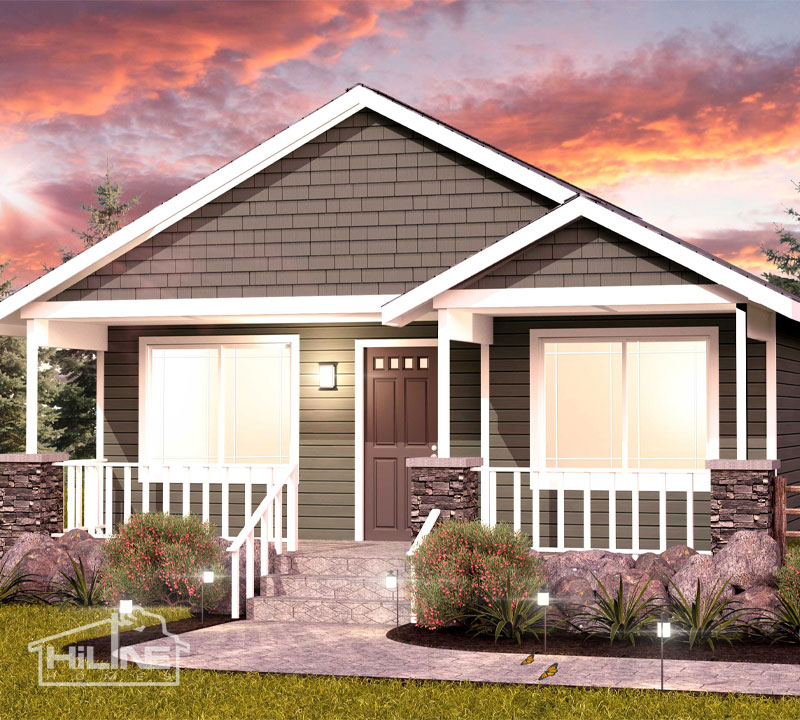
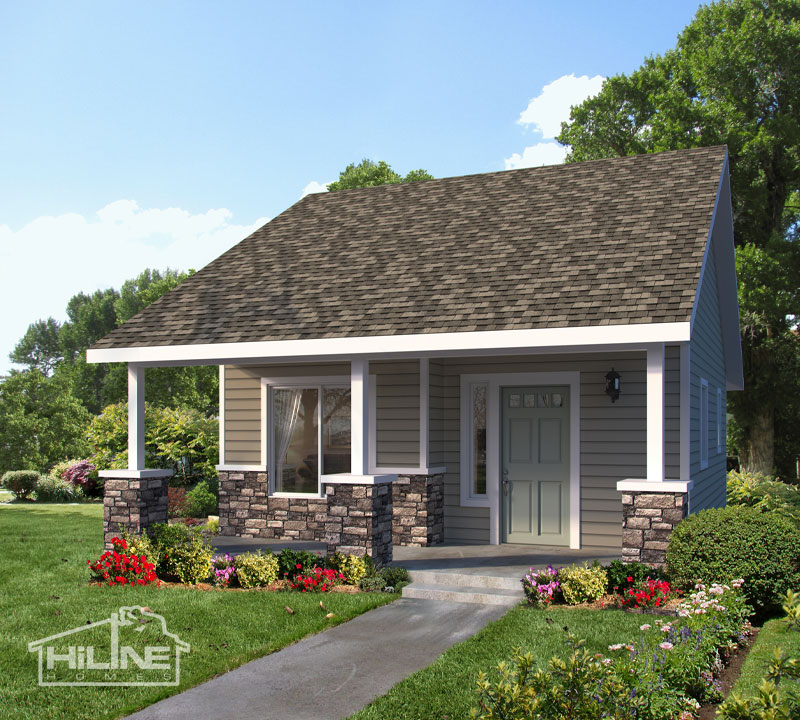
HiLine Homes’ Affordable Guest Home Options 

HiLine Homes is dedicated to helping families build a high-quality home with the opportunity of a strong equity position. You are sure to enjoy checking out our beautiful home plans designed to be affordable and provide efficient use of space. Our smallest home plan starts at only 500 square feet, providing a quaint space with all the essentials. With over 40 home plans available and several perfectly suited as a guest home, you are sure to find the right fit.

If you are looking for an attached option, Home Plan 500 and 500B are designed to be attached to another HiLine Homes floor plan when purchased together. It is a versatile option for families and guests looking for a place to retreat. 

Want a bit more space? Home Plan 800 adds a small laundry room, outdoor living space, and 8×8 storage area for even more flexibility and independence. Our Home Consultants will provide a free building consultation to review your site and answer your questions about the process. 

Cost Of A Guest House

As a rising trend, guest homes help families find alternative housing options, and HiLine Homes works to make that process affordable and attainable. Our traditional building Program is designed with homeowner responsibilities such as preparing the property for HiLine Homes to build a complete home on your prepared property. Resulting in keeping the costs of building down and the possibility of building instant “sweat” equity. The best way to determine the cost of building your new home is to schedule a free home-building consultation. 

The HiLine Homes Experience

HiLine Homes has been building quality homes for over 25 years, developing a smooth construction process. We believe that knowledge is power and that an informed buyer makes confident decisions. We promise to give you clear communication and follow up on what we say we will do. 

For more information click the link below.

HiLine Homes | Building A Guest House

What Does Loss Mean in the Legal Space?What Does Loss Mean in the Legal Space?

In legal contexts, the term “loss” is multifaceted, encompassing various interpretations depending on the nature of the case being discussed. As defined in the Munley Law Glossary, “loss” refers to a detriment or deprivation of something of value, often leading to claims for compensation or restitution. Understanding the concept of loss is essential for individuals involved in legal proceedings, as it forms the basis for many claims, including personal injury, property damage, and breach of contract cases.

Types of Loss in Legal Contexts

Economic Loss: This type of loss pertains to quantifiable financial impacts suffered by an individual or entity. Economic losses may include:

  • Lost Wages: Income that an individual is unable to earn due to an injury or other circumstances.
  • Medical Expenses: Costs incurred for medical treatment related to an injury.
  • Property Damage: The cost to repair or replace damaged property, such as vehicles or real estate.

Non-Economic Loss: Non-economic losses are more subjective and are harder to quantify. They include:

  • Pain and Suffering: Emotional and physical distress caused by an injury.
  • Loss of Enjoyment of Life: The inability to participate in activities that bring joy or fulfillment due to an injury.
  • Emotional Distress: Psychological impact stemming from an event, often accompanying physical injuries.

Punitive Damages: In some cases, losses may extend beyond compensatory damages to include punitive damages. These are awarded to punish a defendant for particularly egregious behavior and to deter similar actions in the future.

Legal Implications of Loss

The legal implications of loss can be complex, involving numerous factors that influence the outcome of a case. For instance:

  • Burden of Proof: The plaintiff typically bears the burden of proving the existence and extent of their loss. This requires clear evidence and documentation, such as medical records, employment history, and witness testimonies.
  • Causation: Establishing a direct link between the defendant’s actions and the plaintiff’s loss is crucial. Without this causal connection, a claim may be dismissed. For example, in a personal injury case, the plaintiff must show how the defendant’s negligence resulted in their injuries and subsequent losses.
  • Mitigation of Loss: Plaintiffs are generally required to take reasonable steps to mitigate their losses. This means they must seek appropriate treatment for their injuries or look for alternative employment if they cannot return to their previous job. Failing to do so can affect the amount of compensation awarded.

Challenges in Proving Loss

Proving loss in a legal context often presents challenges:

  • Quantifying Non-Economic Losses: Non-economic damages, such as pain and suffering, are inherently subjective. Courts and juries may struggle to assign a monetary value to these losses, leading to inconsistencies in awards.
  • Disputes Over Causation: Defendants may argue that other factors contributed to the plaintiff’s losses. For example, pre-existing conditions or alternative causes of damage can complicate claims, necessitating thorough evidence to establish causation.
  • Inadequate Documentation: Insufficient documentation can undermine a plaintiff’s claim. It is essential to maintain accurate records of medical treatments, lost wages, and other relevant information to support claims of loss.

Loss in Contract Law

In contract law, loss often refers to damages incurred when one party fails to fulfill their obligations under a contract. This may include:

  • Direct Loss: Financial losses directly resulting from a breach, such as lost profits or additional costs incurred to fulfill the contract through other means.
  • Consequential Loss: Indirect losses that occur as a consequence of the breach, such as lost Business opportunities or reputational harm.

The concept of loss in the legal space is vital for understanding various claims and their implications. As outlined in the Munley Law Glossary, loss encompasses both economic and non-economic damages that individuals may suffer due to the actions or negligence of others. Successfully navigating claims involving loss requires a thorough understanding of legal Principles, strong evidence to support claims, and careful consideration of all factors influencing the case. By grasping the nuances of loss, individuals can better advocate for their rights and seek the compensation they deserve in legal proceedings.